"Dry drowning" and "secondary drowning" are not medical diagnoses, but the worry behind them is real: breathing problems can appear after a child leaves the water.
What doctors mean by drowning
The World Health Organization defines drowning as "the process of experiencing respiratory impairment from submersion or immersion in liquid." Under that definition, drowning can be fatal or non-fatal. Many physicians and medical organizations discourage terms such as dry drowning, secondary drowning and near drowning because they cause confusion and are not recognized diagnoses.
The underlying concern is legitimate. After a child inhales water, even a small amount, the lungs can become irritated and the child can develop breathing trouble over the following hours. These cases are uncommon, and symptoms almost always begin soon after the incident, not days later.
Symptoms to watch for after a water incident
If your child went under, was pulled from the water, or coughed and sputtered after swallowing or inhaling water, watch closely for the next several hours. Seek medical help if you notice:
- Coughing that continues or gets worse.
- Fast breathing, labored breathing, or the skin between the ribs pulling in with each breath.
- Chest pain or complaints that it hurts to breathe.
- Unusual sleepiness, confusion, irritability or a change in behavior.
- Vomiting.
- Bluish or gray lips or face (call 911).
When to call 911 or go to the ER
- Call 911 if the child was unresponsive, needed rescue breaths or CPR, is struggling to breathe, or has blue or gray lips. Start CPR if the child is not breathing normally and you are trained.
- Go to an emergency department if the child was submerged and has any of the symptoms above, even if they seem to improve.
- Call your pediatrician for advice if the child had a scare, coughed briefly and now seems completely normal. Many children in this situation need only observation at home, but a clinician should make that call.
This page is general information, not medical advice. If you are worried, err on the side of getting your child checked.
What not to worry about
A child who swallows some pool water while playing, coughs for a moment and then carries on normally is not at risk of "drowning days later." Viral stories about children who seemed fine and then died suddenly days after swimming have usually involved other medical causes. What matters is noticing breathing symptoms in the hours after a real submersion event and acting on them.
Prevention is the point
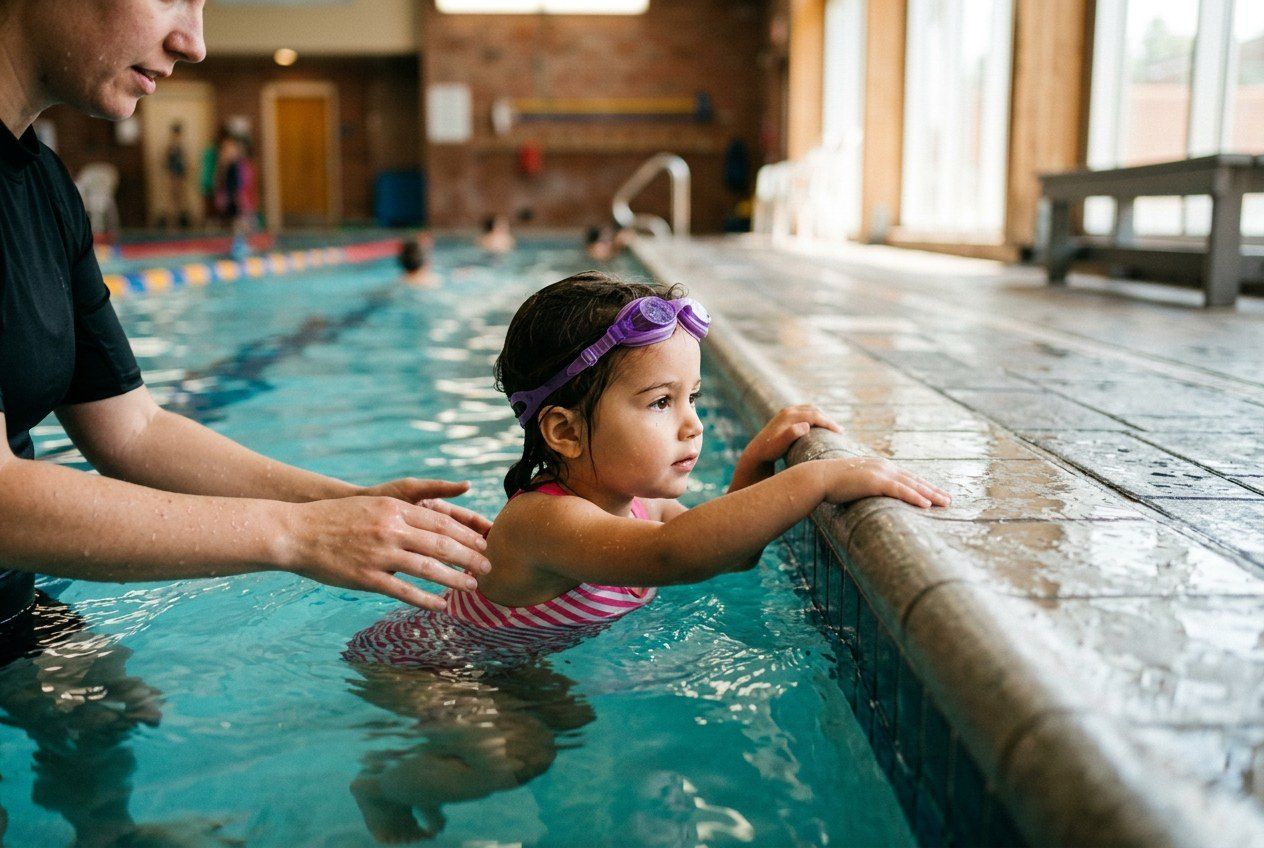
The best protection is preventing the incident: barriers and alarms, constant supervision by a designated water watcher, life jackets in open water, swim lessons, and adults who know CPR. Learn the signs of drowning too, because they look nothing like the movies.
What happens after a scare: a simple plan
- Get the child out, warm and calm. Dry them off, wrap them up and keep them where you can watch them.
- Note what happened. How long were they under? Did they cough, choke or vomit? Did anyone give rescue breaths? Doctors will ask.
- Watch for the warning signs listed above for the next several hours. Keep the child close rather than sending them to nap alone in another room.
- Call your pediatrician if you are unsure. A nurse line can help you decide whether the child needs to be seen.
- Go to the emergency department or call 911 for any breathing difficulty, persistent coughing, unusual sleepiness, confusion or blue lips.
Why children are at higher risk
Young children have small airways and can inhale water quickly when they slip under unexpectedly. They also may not tell you how they feel. The CDC notes that children ages 1 to 4 have the highest drowning rates, mostly in home swimming pools, and that many of these children were out of sight for only a moment. That is why the response to any submersion should be the same: calm, close observation and a low threshold for medical advice.
Learn CPR before you need it
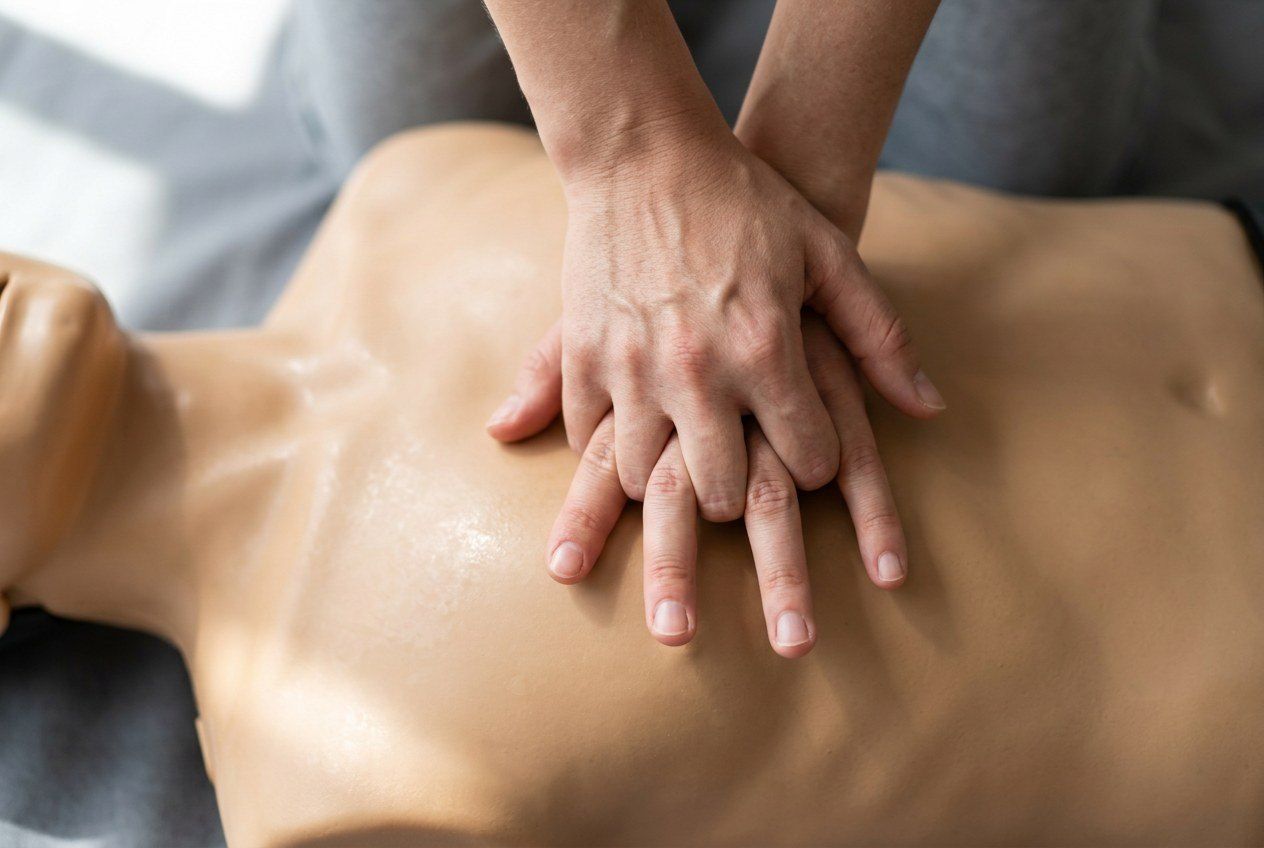
Bystander CPR in the first minutes is one of the strongest factors in survival after drowning. A hands-on class teaches child and infant techniques that reading cannot. See CPR basics.
Myths to set aside
A child does not suddenly drown days later without warning signs after an ordinary day of swimming, and a single cough after swallowing water is not a medical emergency. Signs that persist or worsen in the hours after a real submersion are what need attention.
Frequently asked questions
Is dry drowning real?
Not as a medical diagnosis. Doctors use "drowning" for any breathing impairment from being in water. Breathing problems after inhaling water are real but uncommon, and they start within hours.
How long after swimming can drowning symptoms appear?
Symptoms of lung irritation after inhaling water usually appear within a few hours of the incident. Watch closely during that time.
What are the symptoms of secondary drowning?
Persistent coughing, difficult or fast breathing, chest pain, unusual sleepiness or behavior changes, and vomiting after a water incident. Seek medical care if they occur.
Should I take my child to the ER after swallowing pool water?
Not if they simply swallowed water and are behaving normally. Seek care if they went under, were rescued, or develop breathing symptoms.